If your home was built between the 1960s and 1970s, there is a good chance it has aluminum wiring. While it was a cost-saving measure at the time, homeowners today face a serious safety concern: aluminum wiring is more likely to overheat, loosen connections, and cause fires. You probably already know you need to act, but the big question is – what is the cost to replace aluminum wiring with copper? In this guide, we break down every option, from a full rewire to approved connectors, so you can make a safe and smart financial decision.
Copper prices have been rising, and electrician labor rates vary depending on where you live. But ignoring the problem can cost you much more in insurance premiums or a house fire. Let’s walk through the numbers, methods, and trade-offs to help you move forward with confidence.
Why Replace Aluminum Wiring?
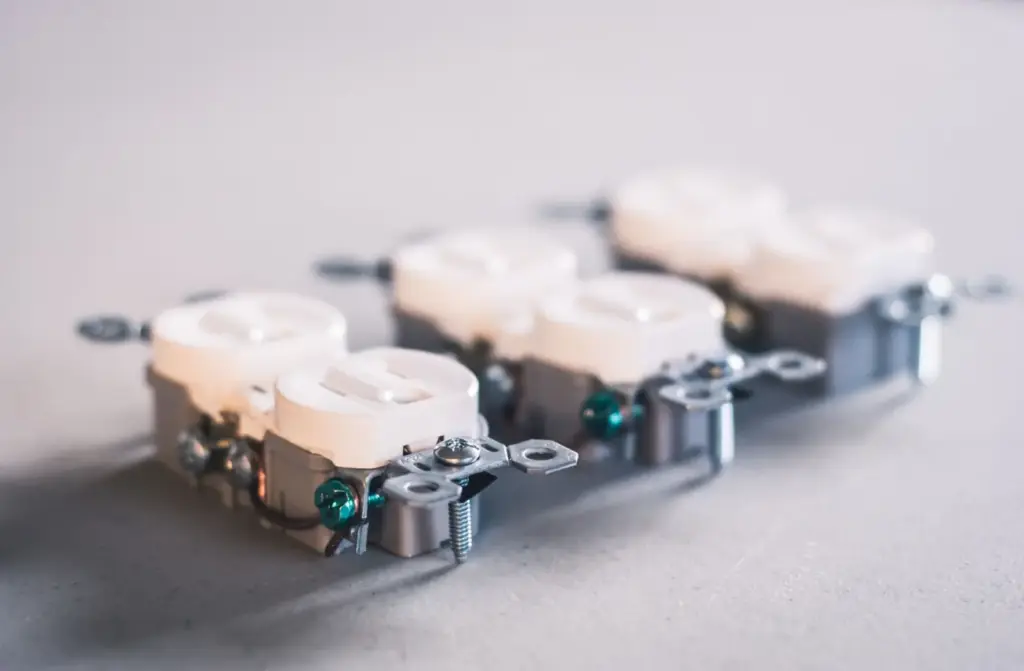
Aluminum wiring expands and contracts more than copper when electricity flows through it. Over time, this leads to loose connections, arcing, and potential fires. The U.S. Consumer Product Safety Commission says homes with aluminum wiring are 55 times more likely to have a fire hazard than those with copper. Insurance companies often charge higher premiums or refuse coverage altogether until the wiring is remediated. Replacing or repairing the wiring is not just about safety – it’s about peace of mind and protecting your property value.
Table of Contents
- Why Replace Aluminum Wiring?
- Cost to Replace Aluminum Wiring with Copper: Full Breakdown
- The Best Approaches to Replace Aluminum Wiring
- 1. Full Copper Rewire – Best Overall
- 2. COPALUM Pigtailing – Most Reliable
- 3. AlumiConn Pigtailing – Best Value
- 4. Combined Approach – Partial Rewire + Pigtailing – Best for Large Homes
- 5. DIY Pigtailing (Not Recommended) – Cheapest but Dangerous
- Comparing the Best Options
- Detailed Guide: What to Look for When Replacing Aluminum Wiring
- Factors That Affect Cost
- Hidden Costs to Watch For
- Tips for Choosing Wisely
- Frequently Asked Questions
- Can I replace aluminum wiring myself?
- Is pigtailing as safe as a full rewire?
- How long does it take to rewire a house with aluminum wiring?
- Will my insurance go up if I have aluminum wiring?
- What is the difference between COPALUM and AlumiConn?
- Do I need to replace the electrical panel too?
- Can I sell a house with aluminum wiring?
- How much does a 50 amp RV outlet cost if I also need to fix aluminum wiring?
- Final Recommendations
Cost to Replace Aluminum Wiring with Copper: Full Breakdown
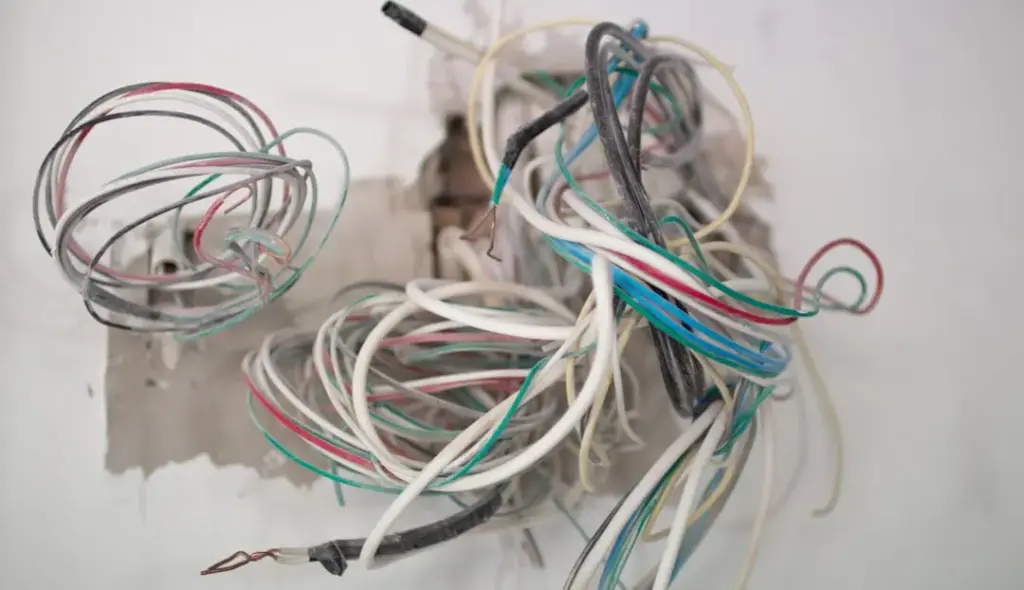
The total price depends on the size of your home, the method you choose, and local electrician rates. Below is a comparison of the four main approaches.
| Method | Average Cost Range | Timeframe | Safety Rating | Requires Licensed Electrician? | Best For |
|---|---|---|---|---|---|
| Full Copper Rewire | $8,000 – $20,000+ | 3–7 days | ⭐⭐⭐⭐⭐ | Yes | Complete peace of mind, larger homes |
| COPALUM Pigtailing | $4,000 – $8,000 | 2–4 days | ⭐⭐⭐⭐ | Yes (specialized tools) | High reliability without full rewire |
| AlumiConn Pigtailing | $2,500 – $6,000 | 1–3 days | ⭐⭐⭐⭐ | Yes | Budget-minded homeowners |
| DIY Pigtailing (not recommended) | $200 – $500 (materials only) | Variable | ⭐ | No | Only if you are a licensed electrician (rarely safe) |
Labor rates for an electrician range from $50 to $150 per hour, and many charge a flat fee for whole-house projects. For a typical 1,500–2,000 square foot home, expect 40–80 labor hours for a full rewire. Read also: Electrician Cost to Rewire a 3 Bedroom House: 2026 Complete Guide
The Best Approaches to Replace Aluminum Wiring
Below we evaluate the most common methods in detail. Each one has its own pros, cons, and ideal use case.
1. Full Copper Rewire – Best Overall
Overview: This method removes all aluminum wiring and replaces it with copper from the main panel to every outlet, switch, and light fixture. It is the most thorough solution.
Features: New copper wire throughout, new outlets and switches, and typically a new breaker panel if needed. The result is a completely modern and safe electrical system.
Pricing: $8,000 to $20,000 for an average home. Larger homes or those with plaster walls can exceed $30,000.
Advantages:
- Eliminates all fire risks from aluminum wiring.
- Meets current electrical codes perfectly.
- Increases home resale value.
- Often required by insurance after a claim.
Disadvantages:
- Most expensive option.
- Requires opening walls (typically all drywall must be cut).
- Disruptive – you may need to vacate during work.
Best For: Homeowners who plan to stay for 10+ years, have significant electrical loads, or want the highest safety level.
User Experience: Many homeowners report feeling relieved after a full rewire, but they often mention the mess and time required. The peace of mind is commonly cited as worth the cost.
Expert Opinion: A full rewire is the gold standard. While expensive, it eliminates all future concerns. For homes with aluminum wiring that also need a service upgrade, combining the two can save on labor. Read also: Average Cost to Install a Subpanel in Garage: 2026 Guide
2. COPALUM Pigtailing – Most Reliable
Overview: COPALUM is a special crimp connector system (made by AMP/Tyco) that permanently joins a short copper pigtail to the aluminum wire. It is the only method endorsed by the CPSC for aluminum wiring repair.
Features: Uses a hydraulic crimping tool to create a cold weld connection. Each splice is inspected and cannot be loosened later. Must be performed by a licensed electrician trained in COPALUM.
Pricing: $4,000 to $8,000 for a typical home. Each connection costs about $3–$5 in materials plus labor.
Advantages:
- Highly reliable – tested to over 100,000 hours of use.
- Much less wall damage (only outlet boxes need access).
- Faster than a full rewire.
Disadvantages:
- Requires specialized tool that not all electricians have.
- Does not address wiring inside walls (the aluminum remains).
- Still may not satisfy some insurance companies.
Best For: Homes where walls are finished and you want a safe, proven fix without tearing everything open.
User Experience: Homeowners appreciate the low disruption. Many comment that the cost is about half of a full rewire. Some report difficulty finding a licensed COPALUM installer.
Expert Opinion: COPALUM is an excellent solution for most homes. It is code-approved and durable. However, if your aluminum wiring is old and brittle, a full rewire may still be better.
3. AlumiConn Pigtailing – Best Value
Overview: AlumiConn uses a screw-type connector designed specifically for aluminum-to-copper connections. It is a UL-listed, less expensive alternative to COPALUM.
Features: Small lug connectors that accept one aluminum and one copper wire. They are filled with a corrosion-inhibiting compound and require no special tool beyond a torque screwdriver.
Pricing: $2,500 to $6,000. Connectors cost about $1–$2 each, and labor is similar to COPALUM.
Advantages:
- Lower material cost than COPALUM.
- Easier for electricians to install – no expensive crimper needed.
- Still a permanent, code-approved method.
Disadvantages:
- Connectors are slightly bulkier, may not fit in small junction boxes.
- Requires careful torquing – improper installation can fail.
- Not as thoroughly tested as COPALUM in long-term studies.
Best For: Homeowners on a tighter budget who still want a professional, UL-listed fix.
User Experience: Many electricians prefer AlumiConn because of lower tool investment. Customers report satisfactory results, but some mention that insurance companies sometimes ask for documentation of the connector type.
Expert Opinion: AlumiConn is a good middle ground. It is safer than wire nuts (which are prohibited for aluminum), but for maximum reliability, COPALUM still edges ahead.
4. Combined Approach – Partial Rewire + Pigtailing – Best for Large Homes
Overview: Some homeowners opt to rewire the most critical circuits (kitchen, HVAC, large appliances) with copper and pigtail the rest. This balances cost and safety.
Features: Focuses on high-load circuits where aluminum is most dangerous. Rest of the home gets pigtailing (COPALUM or AlumiConn).
Pricing: $6,000–$12,000 depending on which circuits are rewired.
Advantages:
- Reduces risk on high-use circuits.
- Cheaper than full rewire.
- Less drywall damage than full rewire.
Disadvantages:
- Two different methods can complicate warranty and inspections.
- Still leaves some aluminum in the walls.
- May still require panel upgrade if service is undersized.
Best For: Homes where the budget can’t cover a full rewire, but high-load areas need immediate attention.
User Experience: Homeowners like the flexibility. Feedback often mentions that planning which circuits to rewire requires professional advice.
Expert Opinion: This hybrid approach works well if executed correctly. It is especially practical for older homes where the aluminum wiring is in good condition, except in the kitchen and laundry.
5. DIY Pigtailing (Not Recommended) – Cheapest but Dangerous
Overview: Using wire nuts or other unapproved connectors to join aluminum and copper. This is against code in most areas and extremely risky.
Features: Any homeowner with basic tools can attempt this. No special permits or inspections required (if you don’t pull permits).
Pricing: As low as $200 in materials. But the hidden cost is fire risk and insurance denial.
Advantages: None worth considering. Low upfront cost is the only “benefit.”
Disadvantages:
- Extremely high fire hazard – wire nuts are not rated for aluminum.
- Voids almost all homeowners insurance policies.
- Fails electrical inspection if you ever sell.
- Can cause arcing and electrocution.
Best For: No one. Even experienced electricians do not recommend this.
User Experience: Many online forums show DIY attempts that later resulted in house fires. Legal cases often cite unapproved pigtailing as the cause.
Expert Opinion: “Thou shalt not use wire nuts on aluminum” is a rule every electrician knows. The tiny upfront savings are not worth the catastrophic risk. Always hire a licensed professional.
Comparing the Best Options
| Category | Method | Why It Wins |
|---|---|---|
| Best Overall | Full Copper Rewire | Complete safety, code compliance, and resale value. |
| Best Value | AlumiConn Pigtailing | Reliable fix at roughly half the price of a full rewire. |
| Best Premium | COPALUM Pigtailing | Industry gold standard for pigtailing; long-term reliability. |
| Best for Beginners | Hire a licensed electrician for evaluation | You don’t need to become an expert – let a pro guide you. |
| Best for Advanced Users | Hybrid Rewire + Pigtail | Balances cost and risk reduction for larger or complex homes. |
Detailed Guide: What to Look for When Replacing Aluminum Wiring
Factors That Affect Cost
Home size: More square footage means more circuits and labor. A 1,200 sq ft home costs less than a 3,000 sq ft home. Read also: How Much to Upgrade Electrical Service from 60 to 100 Amps? (2026 Cost Guide)
Accessibility: Crawlspaces, unfinished basements, and open attics make wiring easier. Drywall removal adds cost for patching and painting. If you plan to renovate, do the rewiring first.
Local codes and permits: Many jurisdictions require a permit and inspection. Permit fees range from $100-$500. Some areas mandate a specific method like COPALUM.
Copper market price: Copper prices fluctuate. As of 2026, copper is around $4.50 per pound. A full rewire for a 2,000 sq ft home may need 200-300 feet of wire, plus cable, which can change total material cost by several hundred dollars.
Hidden Costs to Watch For
- Panel upgrade: If your electrical panel is also aluminum (Federal Pacific, Zinsco), you may need a new panel. Read also: Cost to Upgrade Electrical Panel to 200 Amps: Full Guide 2026
- Smoke detectors: New code may require interconnected smoke detectors. Consider upgrading while walls are open.
- Plaster vs. drywall: Repairing plaster is more expensive than drywall. Factor in drywall or plaster patching costs.
- Permit fees and inspection re-fees: Some areas charge per inspection.
Tips for Choosing Wisely
- Get at least three quotes from licensed electricians who have experience with aluminum wiring.
- Ask for references specifically from aluminum remediation jobs.
- Check with your insurance company before work begins – some require COPALUM or full rewire.
- Do not ask for the cheapest quote; ask for the most thorough plan.
Frequently Asked Questions
Can I replace aluminum wiring myself?
Legally, you can perform electrical work on your own home in many locations, but it is strongly discouraged for aluminum wiring. The specialized connectors and proper torque requirements are easy to mess up. A mistake can mean a house fire. Always hire a licensed electrician who is trained in aluminum wiring remediation.
Is pigtailing as safe as a full rewire?
Some pigtailing methods, especially COPALUM, have been tested to be very safe – comparable to a full rewire at the connection points. However, the aluminum wire inside the walls remains. Over time, micro-fractures can still develop in the aluminum wire itself. A full rewire removes that risk entirely. For most homes, pigtailing is an acceptable, code-compliant fix.
How long does it take to rewire a house with aluminum wiring?
A full rewire for a typical 2,000 sq ft home takes 3 to 7 days depending on the crew size, accessibility, and whether you also upgrade the panel. Pigtailing alone often takes 1 to 3 days. Plan for a few extra days if walls need to be patched and painted.
Will my insurance go up if I have aluminum wiring?
Many insurance companies increase premiums or require you to fix aluminum wiring within a certain period after a home inspection. Some will even drop coverage. Once you have a certified remediation (e.g., COPALUM or full rewire), your rates may go down or return to normal. Always notify your insurer before and after the work.
What is the difference between COPALUM and AlumiConn?
COPALUM uses a crimping tool that creates a cold weld, while AlumiConn uses a screw-type lug that must be torqued correctly. COPALUM has more long-term testing data and is often preferred by insurers. AlumiConn is cheaper and easier for electricians to install. Both are UL-listed and code-accepted.
Do I need to replace the electrical panel too?
Not always, but if your panel is old, has aluminum bus bars, or is a recalled brand like Federal Pacific, you should replace it during the job. Combining panel upgrade with rewiring saves money on labor. Read also: Cost to Upgrade Electrical Panel to 200 Amps: Full Guide 2026
Can I sell a house with aluminum wiring?
You can, but you may need to disclose the wiring, and buyers will often ask for a discount or want it fixed. Homes with remediated aluminum wiring (pigtailing or full rewire) sell faster and for higher prices. Some lenders may refuse mortgages for homes with unremedied aluminum wiring.
How much does a 50 amp RV outlet cost if I also need to fix aluminum wiring?
If your home has aluminum wiring, adding a new 50 amp circuit for an RV outlet will likely require copper wire from the panel. The cost for the outlet and circuit is around $500-$1,200, but if the entire panel needs upgrading due to aluminum, add $1,500-$3,000. Read also: Cost to Install 50 Amp RV Outlet at Home: Complete 2026 Guide
Final Recommendations
After reviewing all options, here is our guidance for different homeowner profiles.
- Best Overall: Full copper rewire. It is the most expensive, but it delivers permanent safety, zero future worries, and maximum property value.
- Best Value: AlumiConn pigtailing. For about half the cost of a full rewire, you get a safe, code-approved fix that satisfies most insurers.
- Best Premium Option: COPALUM pigtailing. If you want the best non-rewire solution with a proven track record, this is it.
- Best Beginner Choice: Hire a licensed electrician for an assessment. Do not attempt a DIY. Let the pro recommend the best path for your specific home.
- Best for Advanced Users: Hybrid rewire + pigtailing. If you are comfortable planning and coordinating, this approach can save money while tackling the most dangerous circuits first.
The cost to replace aluminum wiring with copper varies widely based on your home and the method you choose. But no matter which route you take, the investment is far less than the cost of a house fire. Start by getting a professional evaluation, check with your insurance, and then choose the solution that fits your budget and risk tolerance. Your family’s safety is worth every penny.
