You need another outlet or appliance in your home, but your existing circuit is already maxed out. Running a new 20 amp circuit is the safest solution, but what will it actually cost? Whether you’re adding a workshop outlet, a kitchen countertop circuit, or a dedicated line for a window air conditioner, understanding the electrician cost to add a 20 amp circuit helps you budget and avoid overpaying. In 2026, labor and material prices continue to shift, so having accurate, up-to-date information is essential. This guide breaks down every cost factor, compares your options, and helps you decide where to spend your money wisely.
From permit fees to wire gauge choices, we’ll walk you through the full picture. You’ll learn what licensed electricians typically charge, when you can save money, and what hidden costs might surprise you. By the end, you’ll know exactly what to expect when you call for an estimate.
Understanding the Cost to Add a 20 Amp Circuit
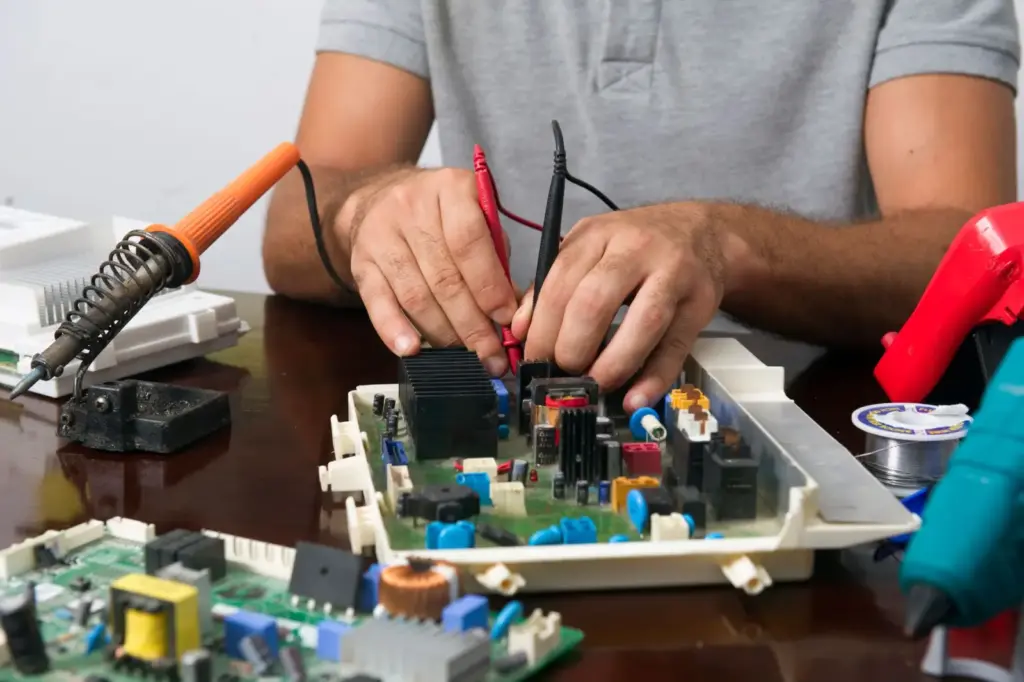
A dedicated 20 amp circuit typically costs between $250 and $650 when installed by a licensed electrician. This price includes the breaker, wire, outlet, box, and labor. The wide range depends on several variables: the distance from your electrical panel, the type of wire needed, local permit fees, and any drywall repair.
Table of Contents
- Understanding the Cost to Add a 20 Amp Circuit
- Key Factors That Affect the Price
- Cost Breakdown by Scenario
- Best Options for Adding a 20 Amp Circuit
- 1. Licensed Electrician – Full Service (Best Overall)
- 2. Licensed Electrician – Permit Only (Best Value)
- 3. DIY Installation (Best Budget Choice – Higher Risk)
- 4. Handyman with Electrical Experience (Best Premium Choice for Minor Work)
- 5. Pre‑Wired Circuit Kits (Easiest to Use for Specific Appliances)
- Detailed Guide on Adding a 20 Amp Circuit
- What to Look For
- Important Features of a 20 Amp Circuit
- Pricing Factors
- Hidden Costs
- Tips for Choosing Wisely
- Frequently Asked Questions
- Final Recommendations
For example, running a new circuit straight down from a basement panel to a nearby outlet might cost $200–$300. But if the circuit must snake through finished walls to a second‑floor room, the price can exceed $700. Most homeowners pay around $350–$450 for a standard installation.
Read also: Cost to Upgrade Electrical Panel to 200 Amps: Full Guide 2026
Key Factors That Affect the Price
- Distance from the panel: Longer runs need more wire, which costs more. Every 10 feet of 12 AWG wire adds about $5–$10 in material.
- Wall and ceiling access: Running wire through an open basement or attic is cheap; fishing through finished walls doubles labor.
- Permit and inspection fees: Many jurisdictions require a permit (often $50–$150). Unpermitted work can hurt home resale value.
- Type of breaker: Standard breakers are cheap ($10–$30). GFCI or AFCI breakers cost $30–$75 each.
- Outlet type: A standard duplex receptacle adds $5–$15; a weatherproof outdoor outlet adds $20–$40.
- Service panel capacity: If your panel has no room for a new breaker, you may need a subpanel or service upgrade – a major cost.
Cost Breakdown by Scenario
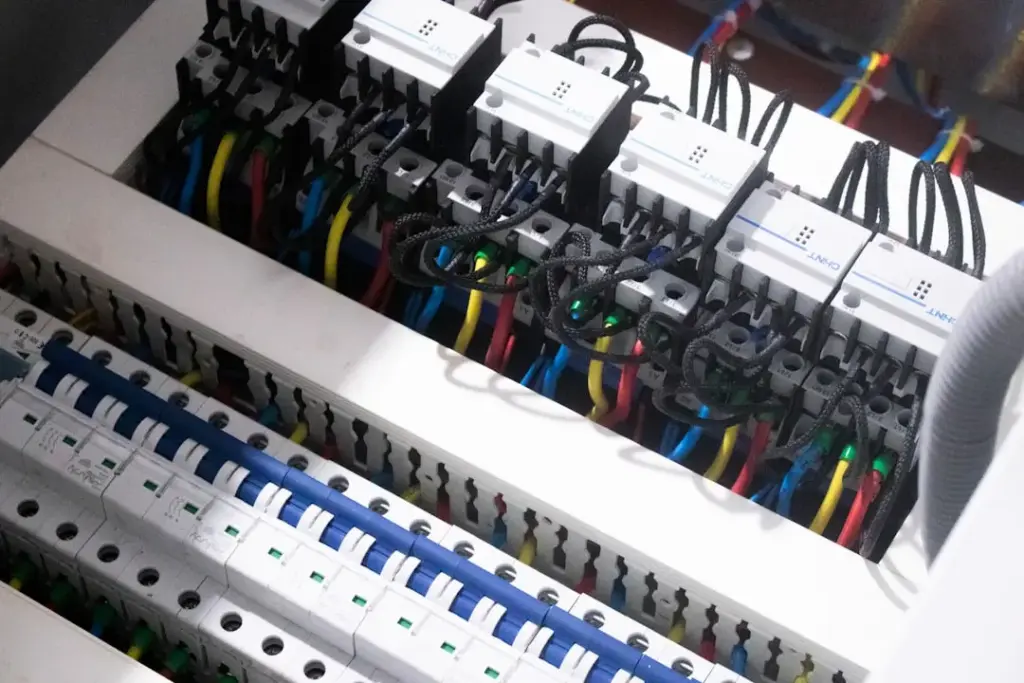
The table below compares typical costs for different situations. Use it to estimate which scenario fits your project.
| Scenario | Estimated Cost Range | Labor Time | Materials | Complexity |
|---|---|---|---|---|
| New circuit in unfinished basement (easy access) | $200–$350 | 1–2 hours | Breaker, wire, outlet, box, cable staples | Low |
| New circuit through finished drywall (single room) | $400–$700 | 2–4 hours | Same plus fish tape, patch materials | Medium |
| Dedicated circuit for large appliance (e.g., fridge, microwave) | $300–$500 | 1.5–3 hours | Heavy‑duty outlet, 12/2 NM‑B cable | Low–Medium |
| Outdoor 20‑amp circuit with weatherproof box | $400–$650 | 2–3 hours | UF‑B cable, weatherproof receptacle, conduit | Medium |
| Add circuit when panel is full (requires subpanel or tandem breaker) | $600–$1,200 | 3–6 hours | Subpanel, breakers, feeders, permits | High |
| DIY installation (own labor, no permit) | $100–$200 | Variable | Breaker, wire, outlet, box | High (risk) |
Best Options for Adding a 20 Amp Circuit
You have several routes to get a new 20 amp circuit. Here we compare the most common approaches, from hiring a licensed professional to tackling the job yourself. Each option includes transparent pricing, pros, cons, and expert insight.
1. Licensed Electrician – Full Service (Best Overall)
Overview: A licensed, insured electrician handles everything from planning to inspection. They pull permits, choose the right wire, install the breaker, and test the circuit. This is the safest and most reliable option.
Features: Professional wiring, code compliance, permit handling, one‑year warranty on labor.
Pricing: $350–$700 on average for a straightforward 20 amp circuit. Higher if drywall repair or long wire runs are involved.
Advantages:
- Guaranteed safe and code‑compliant
- No risk of electrical fire or shock
- Included in home inspections for resale
- Warranty covers future issues
Disadvantages:
- Most expensive option upfront
- Scheduling may take days or weeks
Best For: Homeowners who value safety, have limited electrical experience, or need a permit for insurance purposes.
User Experience: Most customers appreciate the peace of mind. Complaints usually stem from high quotes or delays in busy seasons. Many report the job is clean and quick.
Expert Opinion: Licensed electricians follow the National Electrical Code (NEC) and local amendments. For 20 amp circuits, they use 12‑gauge wire and ensure proper breaker sizing. If your panel is near capacity, a professional will recommend a subpanel or upgrade.
Read also: Average Cost to Install a Subpanel in Garage: 2026 Guide
2. Licensed Electrician – Permit Only (Best Value)
Overview: Some electricians offer a permit‑only rate where they do the work and pull the permit but you handle minor drywall repair or painting. This lowers labor time.
Features: Professional wiring and permit included; drywall patching left to you.
Pricing: $300–$500. You save $50–$100 on labor compared to full service.
Advantages:
- Lower cost while retaining professional quality
- Permit stays on record for resale
Disadvantages:
- You must close up walls yourself
- Electrician may not warranty finished appearance
Best For: DIY‑handy homeowners who want professional electrical work but can patch walls and paint.
User Experience: Many homeowners who are comfortable with basic drywall repair choose this option. They report saving $100–$150 while still getting a code‑compliant circuit.
Expert Opinion: This is a smart compromise. Electrical work is not the place to cut corners, but finishing is something many people can do. Just be sure the electrician clearly marks which areas they won’t repair.
3. DIY Installation (Best Budget Choice – Higher Risk)
Overview: You buy materials and install the circuit yourself. While this can cut costs by 60–70%, it carries safety, legal, and insurance risks if not done correctly.
Features: Full control over materials and schedule; no labor cost.
Pricing: $100–$200 for materials. No labor cost if you do the work.
Advantages:
- Lowest upfront cost
- Immediate availability (no waiting for contractor)
Disadvantages:
- High risk of electrical shock or fire if wiring is incorrect
- May void home insurance if not permitted or inspected
- Difficult to sell home without permit records
- Requires knowledge of NEC, local codes, and safe practices
Best For: Experienced DIYers who have wired circuits before, understand code, and are willing to pull a permit and arrange inspection.
User Experience: Online forums show mixed results. Successful DIYers save hundreds, but failures can cost thousands in fire damage or insurance disputes. Many admit they underestimated the complexity of fishing wire through walls.
Expert Opinion: Unless you have formal training, wiring a 20 amp circuit is not a beginner project. Mistakes like using 14‑gauge wire on a 20‑amp breaker (which is dangerous) are common. If you do DIY, always pull a permit and call for inspection.
4. Handyman with Electrical Experience (Best Premium Choice for Minor Work)
Overview: A qualified handyman who specializes in electrical tasks may charge less than a licensed electrician but still provide competent work. They often handle simple circuit additions.
Features: Basic electrical knowledge, often cheaper rates, may not hold an electrician’s license but can still do code‑compliant work.
Pricing: $250–$450 – typically lower than licensed electricians.
Advantages:
- Lower hourly rate
- Often available on short notice
Disadvantages:
- May not have liability insurance or bond
- Work might not meet code if not licensed
- Harder to hold accountable for errors
Best For: Very simple runs (e.g., open basement to nearby outlet) where you trust the handyman’s experience.
User Experience: Reviews vary widely. Some find a great handyman who does excellent work; others end up paying twice to fix substandard wiring. Always ask for references and check their familiarity with the local electrical code.
Expert Opinion: A handyman can be a good option only for straightforward work. For complex fishing, panel work, or outdoor circuits, a licensed electrician is strongly recommended.
5. Pre‑Wired Circuit Kits (Easiest to Use for Specific Appliances)
Overview: Companies sell pre‑terminated wire assemblies (e.g., AC‑ready kits, range cord kits) that simplify installation. These are typically used for specific appliances and still need connection to the panel.
Features: Pre‑stripped wires, included connectors, clear instructions. Usually for 250‑volt or 125‑volt circuits.
Pricing: $40–$80 for the kit. You still pay an electrician to connect at the panel, or DIY.
Advantages:
- Reduces mistakes in wire sizing and stripping
- Often includes proper outlet and cover
Disadvantages:
- Still requires panel connection and mechanical protection
- May not fit unusual distances or wall paths
Best For: Homeowners who want a turnkey solution for a specific appliance (e.g., a window AC unit).
User Experience: Customers like the simplicity of kits, but many note that the instructions assume basic electrical knowledge. If you’re not comfortable working near the panel, this is not truly “easy.”
Expert Opinion: Pre‑wired kits can save time on the outlet end but don’t eliminate the need for proper wire routing and breaker installation. They are best used as a convenience, not a substitute for professional work.
Detailed Guide on Adding a 20 Amp Circuit
Before you hire or start work, learn what’s involved. This section explains what to look for, which features matter most, how pricing works, hidden costs, and tips to choose wisely.
What to Look For
- Wire gauge: A 20 amp circuit requires 12‑gauge copper wire (12 AWG). Never use 14‑gauge wire, which is rated for 15 amps only.
- Breaker type: Standard single‑pole breakers are fine for most 120‑volt circuits. For kitchen, bathroom, or outdoor circuits, you may need GFCI (Ground Fault Circuit Interrupter) or AFCI (Arc Fault Circuit Interrupter) protection.
- Permit requirement: Most municipalities require a permit for new circuits. Check with your local building department.
- Panel capacity: Ensure your panel has an open slot and the main breaker can handle the additional load. If your panel is full, you may need a tandem breaker or a subpanel.
Read also: Electrician Cost to Rewire a 3 Bedroom House: Full 2026 Guide
Important Features of a 20 Amp Circuit
Not all 20 amp circuits are the same. Key features include:
- Dedicated vs. general use: A dedicated circuit serves only one appliance (e.g., microwave, sump pump). General‑use circuits power multiple outlets.
- Outlet type: A 20 amp outlet has a horizontal slot on one side. Standard 15 amp outlets plug into a 20 amp circuit, but the reverse is unsafe.
- Wire jacket: NM‑B (non‑metallic sheathed) cable is for dry indoor use. UF‑B (underground feeder) cable is for outdoors or direct burial.
- AFCI/GFCI: Many new codes require AFCI breakers for most living spaces and GFCI for wet locations. These add cost but improve safety.
Pricing Factors
- Labor rate: Electricians typically charge $75–$150 per hour. A simple circuit takes 1–3 hours, but more complex jobs can take 4–6 hours.
- Material cost: Wire $0.20–$0.40 per foot, breaker $10–$75, outlet $5–$25, boxes $2–$10, misc. connectors $5–$15.
- Permit fee: $50–$150 depending on location.
- Travel and minimum charge: Many electricians have a minimum service call fee of $150–$250, which covers the first hour.
- Drywall repair: If walls need patching, add $50–$200 for a professional or do it yourself.
Hidden Costs
- Panel upgrade: If you have 60‑amp service, adding a 20‑amp circuit likely requires an upgrade. This can cost $1,500–$4,000.
- Subpanel installation: When the main panel has no slots, a subpanel costs $500–$1,200 additional.
- Code compliance upgrades: Old panels may need replacement of obsolete breakers (e.g., Federal Pacific) or bonding fixes.
- Fishing through multiple floors: Running wire from basement to attic can add 2–3 hours of labor.
- Weatherproofing: Outdoor circuits require conduit, gaskets, and weatherproof boxes – add $30–$80.
Tips for Choosing Wisely
- Get three quotes from licensed electricians. Compare not just price but scope of work (include drywall repair, permit, testing).
- Ask if the estimate includes permit fees and final inspection. Some electricians charge extra for the permit.
- If you plan to sell your home within a few years, always pull a permit. Unpermitted work can delay sales and lower offers.
- Consider future needs: If you think you’ll add more circuits later, investing in a larger subpanel now might save money.
- Never use an extension cord as a permanent solution. A dedicated circuit is safer and meets code.
Frequently Asked Questions
- Can I add a 20 amp circuit myself?
Yes, if you have electrical experience, a permit, and an inspection. However, mistakes can cause fires or shock. Most homeowners pay an electrician for safety and code compliance. - How long does it take to install a 20 amp circuit?
A simple circuit in an open area takes 1–2 hours. Fishing wires through finished walls can take 3–4 hours. Add time for drywall repair if needed. - Do I need a permit to add a 20 amp circuit?
In most municipalities, yes. Permits ensure the work is inspected and safe. Unpermitted work may void insurance claims and complicate home sales. - What size wire do I need for a 20 amp circuit?
Use 12‑gauge copper wire (12 AWG). 14‑gauge wire is only for 15 amp circuits. Using the wrong gauge can overheat and cause a fire. - Can I just put a 20 amp breaker on a 15 amp wire?
Absolutely not. The breaker protects the wire. 14‑gauge wire is rated for 15 amps; a 20‑amp breaker would allow too much current, melting the wire. - Why do some quotes vary so much?
Quotes differ based on distance, wall access, panel space, required permits, and electrician’s rate. Always get at least three quotes to understand the range. - Will adding a 20 amp circuit increase my home value?
Yes, if it’s a dedicated circuit for a modern appliance or a workshop. A properly permitted circuit adds to a home’s electrical documentation and functionality. - What if my panel is full?
You can install a tandem breaker (if panel allows) or add a subpanel. A subpanel costs $500–$1,200 but gives room for future circuits. Read our guide on subpanel installation for details.
Final Recommendations
| Category | Option | Why |
|---|---|---|
| Best Overall | Licensed Electrician – Full Service | Safe, code‑compliant, includes permit and warranty. Worth the investment for peace of mind. |
| Best Value | Licensed Electrician – Permit Only (you patch walls) | Professional electrical work at a lower cost if you can finish walls yourself. |
| Best Premium Option | Handyman with Electrical Experience | Suitable for very simple runs when you trust the worker and don’t need a full license. |
| Best Beginner Choice | Hire a licensed electrician | Beginners should never attempt electrical wiring. Hiring a pro avoids dangerous mistakes. |
| Best for Advanced Users | DIY with permit and inspection | Experienced DIYers can save money, but only if they follow code and get the work inspected. |
Understanding the electrician cost to add a 20 amp circuit empowers you to make a safe, informed decision. Whether you choose a pro or tackle it yourself, always prioritize code compliance and safety. A well‑installed circuit adds convenience and value to your home for decades.
If you need to upgrade your electrical service or replace old wiring, check our comprehensive guides on panel upgrades and knob‑and‑tube replacement. Making the right choice today prevents costly repairs tomorrow.
